
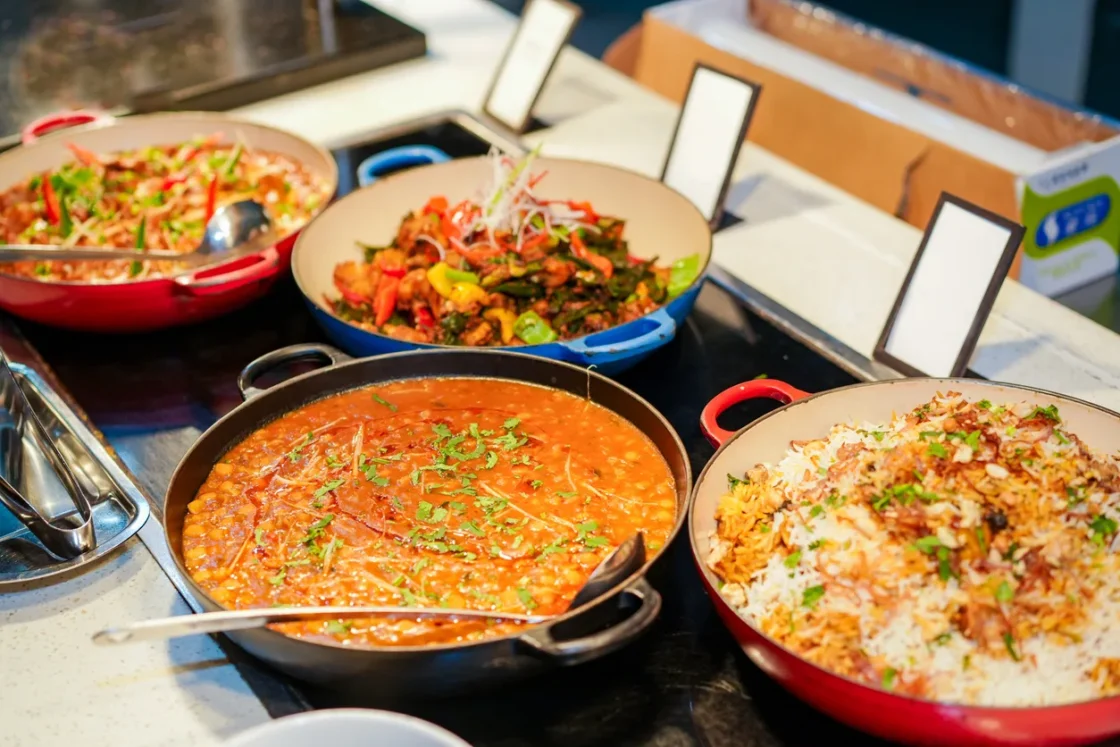
Menu innovation continues to drive demand for specialty produce as chefs and foodservice operators seek ingredients that reflect evolving consumer preferences. Global flavors have become a defining characteristic of modern dining, influencing everything from quick-service menus to upscale restaurant concepts. As interest in authentic cuisine grows, ingredients commonly used in South Asian and Southeast Asian cooking are becoming more widely incorporated across foodservice environments.
Wholesale produce suppliers play an essential role in supporting these trends by providing consistent access to culturally authentic ingredients. Buyers searching for wholesale Asian food suppliers or fruit distributors often prioritize partners capable of delivering both variety and reliability. Specialty vegetables such as Chinese eggplant, bitter melon, and long squash are increasingly used in dishes that highlight bold flavors and diverse culinary traditions.
Plant-forward dining has contributed significantly to increased demand for specialty produce. Many consumers are seeking vegetable-focused dishes that offer both flavor and nutritional value. Ingredients like methi leaves and tindora provide distinctive taste profiles that allow chefs to create memorable menu items without relying heavily on animal proteins.
Heat-forward flavor profiles are also influencing menu development. Thai green chilies and long green chilies provide varying levels of spice that can be adjusted to suit different regional preferences. From sauces and marinades to stir-fries and curries, chili peppers allow chefs to customize flavor intensity while maintaining authenticity.
In retail settings, specialty produce supports merchandising strategies that emphasize cultural diversity and culinary exploration. Shoppers are increasingly interested in experimenting with new ingredients, particularly those associated with traditional recipes and heritage cooking methods. Offering globally inspired produce helps retailers differentiate their assortment and attract customers seeking unique options.
Distribution efficiency remains a key factor in supporting menu trends. Restaurants and retailers rely on dependable wholesale produce supply chains to maintain consistent inventory levels. Delays or inconsistencies in sourcing can disrupt menu planning and affect customer satisfaction. Working with experienced distributors helps mitigate these risks by ensuring reliable product availability.
Another important trend shaping produce demand is the growth of regional cuisine concepts. Restaurants specializing in Indian, Thai, Chinese, and Middle Eastern dishes often require access to specific produce varieties that cannot be easily substituted. Authentic ingredients contribute to both flavor accuracy and brand credibility.
Wholesale produce partners who understand these requirements can provide valuable guidance on product selection and availability. Knowledge of sourcing regions, seasonality patterns, and transportation logistics helps buyers plan purchasing strategies that support long-term operational success.
As consumer interest in global cuisine continues to expand, specialty produce will remain a central component of menu innovation. Ingredients that were once considered niche are now widely recognized for their culinary value and versatility. Restaurants and retailers that incorporate these ingredients into their offerings are well positioned to meet evolving customer expectations.
By working with wholesale partners experienced in global produce distribution, businesses gain access to ingredients that support creativity, authenticity, and consistency. Strong supply chain relationships help ensure that menu trends can be translated into successful dining experiences that resonate with today’s customers.